
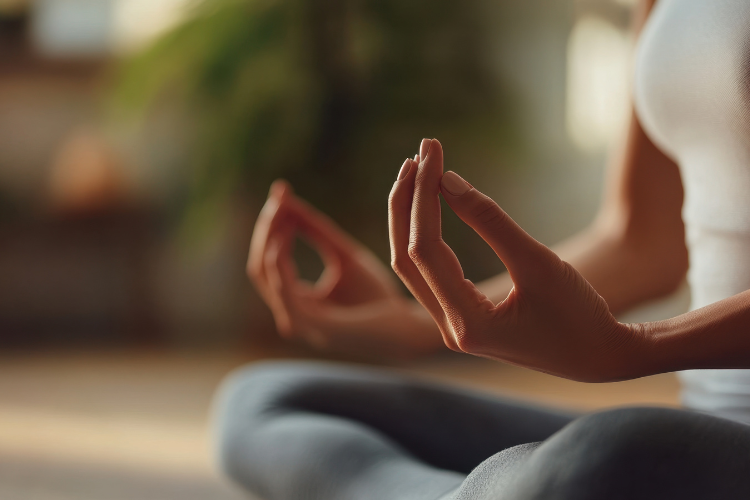
In our fast-paced world, finding moments of peace can feel challenging. Many people are looking for ways to support their mental health, and daily yoga practice offers a powerful solution. This ancient practice combines physical movement, breathing, and mindfulness to create a holistic approach to wellness. Understanding the mental health benefits of yoga can be the first step on a transformative journey toward a calmer mind and a more balanced life. Are you ready to see how it can help you?
Key Mental Health Benefits of Practicing Yoga Every Day
Committing to a daily yoga practice offers a wide array of mental health benefits that can profoundly change your daily life. From reducing stress to improving your mood, the effects of yoga are both immediate and long-lasting. A regular practice helps you build a stronger connection between your mind and body.
This harmony is key to managing emotional responses and finding greater peace. Let’s explore the specific ways that rolling out your yoga mat each day can support your mental wellbeing and enhance your quality of life.
1. Reduces Stress Levels and Promotes Relaxation
One of the most well-known benefits of yoga is its ability to melt away stress. When you feel stressed, your body releases hormones like cortisol. Yoga helps lower these cortisol levels, which in turn can lower your heart rate and blood pressure, creating a sense of calm. The practice activates your parasympathetic nervous system, guiding your body into a “rest and digest” state away from the “fight or flight” response.
Certain elements of yoga are especially effective for stress management and promoting deep relaxation. These relaxation techniques are simple yet powerful.
- Physical postures (asanas): Gentle stretches and poses release physical tension stored in the body.
- Breathing techniques (pranayama): Focused, deep breathing calms your nervous system almost instantly.
- Meditation (dhyana): Quieting the mind helps you detach from daily worries and stressors.
By incorporating these practices into your daily routine, you can effectively manage chronic stress. This provides a mental reset, leaving you feeling more peaceful and equipped to handle life’s challenges with a clearer mind.
2. Helps Manage Symptoms of Anxiety
If you struggle with anxiety, a daily yoga practice can be a game-changer. Anxiety often puts your sympathetic nervous system on high alert. Yoga helps counteract this by calming the nervous system and promoting a state of tranquility. This shift helps to lower anxiety and reduce feelings of overwhelm and unease.
The combination of physical movement and mindful focus is key. Here are some yoga practices that are particularly helpful for managing anxiety:
- Deep belly breathing: This simple breathing technique activates the body’s relaxation response.
- Gentle yoga flows: Moving slowly through a series of poses helps ground you in the present moment.
- Restorative poses: Holding supported poses for several minutes allows your body and mind to fully relax.
A regular practice builds your ability to manage anxious thoughts and feelings both on and off the yoga mat. Over time, you may notice a significant reduction in your overall anxiety levels, leading to a greater sense of peace.
3. Supports Emotional Regulation and Resilience
Do you ever feel like your emotions are running the show? Yoga can help you regain control. The practice teaches you to observe your emotional responses without judgment. The mindfulness aspect of yoga is central to this process. By paying attention to your body and breath, you create a space between a trigger and your reaction, allowing for more thoughtful emotional regulation.
This increased awareness helps you break free from cycles of negative thinking and worry. Instead of being carried away by your feelings, you learn to acknowledge them and let them pass. This skill is crucial for building emotional resilience, which is the ability to bounce back from difficult situations.
With a consistent yoga practice, you strengthen the connection between the parts of your brain responsible for emotional control. This helps you navigate life’s ups and downs with greater stability and a more positive outlook, contributing to improved mental wellbeing.
4. Improves Mood and Eases Symptoms of Depression
Struggling with a low mood or symptoms of depression can be incredibly challenging. Research shows that yoga can be a beneficial complementary practice, even for those with major depressive disorder. A regular yoga practice can lead to an increase in feel-good hormones and neurotransmitters, such as serotonin, which contribute to happiness.
The physical activity involved in yoga gets your body moving, which is a proven mood booster. At the same time, the mindful and meditative aspects of the practice help calm the mind and interrupt negative thought patterns that often accompany depression. Yoga therapy is now recognized as a valuable tool in many mental health treatment plans.
By committing to daily yoga, you actively work to rebalance your body’s chemistry and your mind’s focus. This can lead to a more positive outlook, increased energy, and a greater sense of hope, making it a powerful ally in your mental health journey.
5. Enhances Mindfulness and Self-Awareness
The mindfulness aspect of yoga is one of its greatest gifts for mental health. Mindfulness is the practice of paying active, open attention to the present moment. During a yoga session, you are encouraged to leave your worries behind and focus on what is happening right now—your breath, your body, and your thoughts.
This focus helps you develop a deeper level of self-awareness. You learn to listen to your body and understand your emotions on a new level. Here are a few ways yoga boosts self-awareness:
- Noticing physical sensations: You become more attuned to how different poses and movements feel in your body.
- Observing your thoughts: You learn to watch your thoughts come and go without getting attached to them.
- Connecting with your breath: Focusing on your breath anchors you in the present moment.
This heightened awareness extends beyond your yoga mat into your daily life. It can lead to increased patience, a more positive outlook, and a stronger connection to yourself, all of which are vital for mental wellbeing.
6. Boosts Cognitive Function and Focus
Do you find it hard to concentrate throughout the day? A regular yoga practice can lead to sharper focus and improved mental clarity. The combination of physical postures, controlled breathing, and meditation helps train your brain to stay present and attentive. This practice strengthens your ability to maintain mental focus in all areas of life.
Yoga improves cognitive function by enhancing your attention span and memory. When you practice yoga, you are constantly bringing your attention back to your breath and body. This repeated action is like a workout for your brain, strengthening the neural pathways associated with concentration.
Over time, you’ll likely notice that you can focus more easily at work, during conversations, and on daily tasks. This boost in cognitive function not only helps you be more productive but also reduces the mental clutter that can contribute to stress and anxiety.
7. Improves Sleep Quality for Better Mental Health
A good night’s sleep is fundamental to good mental health. If you struggle with getting restful sleep, yoga can help. Chronic stress is a common cause of sleep problems, and yoga’s relaxation techniques are excellent for calming the mind and body before bed. By reducing stress and anxiety, yoga prepares you for a deeper, more restorative sleep.
Certain poses and practices are particularly effective at promoting better sleep quality. Try incorporating these into your evening routine:
- Child’s Pose (Balasana): This gentle forward bend is incredibly calming for the nervous system.
- Legs-Up-The-Wall Pose (Viparita Karani): This restorative pose helps soothe the mind and relieve tired legs.
- Yoga Nidra: This guided meditation, also known as “yogic sleep,” promotes profound relaxation.
Improving your sleep can have a ripple effect on your entire day. You’ll feel more energized, focused, and emotionally balanced. Making gentle yoga a part of your nightly wind-down can significantly enhance your overall mental wellbeing.
How Daily Yoga Impacts the Brain and Body
The mental health benefits of yoga aren’t just a feeling; they are rooted in real changes happening within your brain and body. Daily practice has a profound impact on your nervous system, your hormones, and even your brain structure. The effects of yoga create a powerful feedback loop where a calmer body leads to a calmer mind, and vice versa.
Understanding these mechanisms can motivate you to stick with your practice. Let’s look at how yoga influences your stress hormones, changes your brain, and strengthens the vital mind-body connection.
Yoga’s Influence on Stress Hormones and Neurotransmitters
Your body’s chemistry plays a huge role in your mental state. Yoga directly influences this chemistry by regulating stress hormones and boosting beneficial neurotransmitters. A regular practice helps decrease cortisol, the body’s primary stress hormone. When cortisol levels are high for too long, it can lead to anxiety, depression, and other health issues.
At the same time, yoga is thought to increase “feel-good” neurotransmitters like serotonin, which helps regulate mood, and GABA, which promotes relaxation. This biochemical shift is a key reason why you often feel so good after a yoga session.
Changes in Brain Structure Linked to Regular Yoga Practice
Did you know that practicing yoga can actually change the structure of your brain? This is possible due to neuroplasticity, the brain’s ability to reorganize itself by forming new neural connections. Scientific studies have shown that regular yoga practice can increase the amount of gray matter in certain areas of the brain.
These areas are often involved in functions like memory, attention, self-awareness, and emotional regulation. For example, the hippocampus, which is crucial for memory and learning, can grow stronger. This is significant because this area often shrinks in people with depression and chronic stress.
These changes in brain structure contribute directly to improved cognitive function and better mental health. By practicing yoga, you are not just stretching your muscles; you are actively building a more resilient and efficient brain. These long-term benefits underscore the power of a consistent practice.
Strengthening the Mind-Body Connection Through Consistent Practice
Yoga is fundamentally about creating harmony between your mind and body. This mind-body connection is not just a philosophical concept; it’s a physiological reality that is crucial for mental health. A strong connection allows you to be more aware of your body’s signals and how they relate to your emotional state.
A regular practice helps you tune into this connection. When you feel stress building, you can recognize the physical signs—like a tight jaw or shallow breathing—and use yogic techniques to release that tension. This fosters a sense of control and resilience.
- Physical postures: Moving your body with intention teaches you to listen to its limits and needs.
- Breath awareness: Your breath is a bridge between mind and body; controlling it helps calm both.
- Mindful movement: Syncing breath with movement in a yoga class deepens your present-moment awareness.
Strengthening this link leads to holistic health benefits. You become better at managing stress, regulating emotions, and caring for your overall wellbeing, both physically and mentally.
Best Types of Yoga and Poses for Mental Wellness
With so many types of yoga available, how do you choose the right one for mental wellness? Certain styles and poses are particularly effective for calming the mind and soothing the nervous system. Gentle, slow-paced practices are often ideal for reducing stress and anxiety, while specific restorative poses can promote deep relaxation.
The key is to find a practice that feels good for your body and helps you connect with your breath. Let’s explore some of the best types of yoga for beginners, restorative poses for calm, and breathing techniques that support your mental health journey.
Gentle Yoga Styles Ideal for Beginners
If you are new to yoga, starting with a gentle style is a great way to ease into the practice. These styles focus on basic postures, mindful movement, and connecting with your breath, making them perfect for those seeking mental health benefits. Hatha yoga, for example, is a classic style that moves at a comfortable pace, giving you time to learn the poses.
These gentle practices are accessible regardless of your physical fitness level. The goal isn’t to push your body to its limits but to nurture it. Here are some features of gentle yoga:
- Basic poses: You’ll learn foundational postures like Mountain Pose and Cat-Cow stretch.
- Focus on alignment: Instructors guide you to perform poses safely and effectively.
- Slower pace: There’s plenty of time to breathe and feel the effects of each pose on your yoga mat.
This introduction to yoga provides a solid foundation for both physical and mental wellbeing. It’s an excellent starting point for anyone looking to use yoga therapy to calm their mind and reduce stress.
Restorative Poses That Support Relaxation and Calm
Restorative poses are a cornerstone of yoga for mental health. These poses use props like blankets and blocks to support your body completely, allowing you to hold postures for several minutes without any effort. This deep relaxation helps calm your nervous system and quiet your mind, making it one of the most effective relaxation techniques.
The value of these poses lies in their ability to trigger the body’s natural healing processes. By allowing your muscles to release and your mind to settle, you can combat the effects of chronic stress and anxiety. Here are a few top restorative poses for calm:
- Child’s Pose (Balasana): Gently stretches the back while calming the brain.
- Legs-Up-The-Wall (Viparita Karani): Soothes the nervous system and can help with sleep.
- Corpse Pose (Savasana): Promotes profound relaxation for the entire mind and body.
Incorporating these poses into your practice, especially at the end of a session or before bed, can have a powerful soothing effect. They provide a space for quiet reflection and deep breathing.
Breathing Techniques and Meditation Practices in Yoga
Breathwork (pranayama) and meditation are central to yoga’s mental health benefits. These practices help you regulate your nervous system, improve focus, and cultivate a sense of inner peace. Yogic breathing teaches you to control your breath, which in turn helps you control your mental and emotional state.
Meditation practices in yoga encourage you to bring your attention to the present moment, fostering mindfulness and clarity.
- Deep Belly Breathing: Inhaling deeply into your abdomen sends a signal to your brain to calm down.
- Alternate Nostril Breathing (Nadi Shodhana): This technique is known for its ability to balance the mind and improve focus.
- Mindfulness Meditation: Focusing on your breath or a mantra helps quiet mental chatter and reduce stress.
These techniques can be practiced as part of a physical yoga session or on their own. Just a few minutes of focused breathing or meditation can significantly reduce stress and enhance your overall sense of wellbeing.